Market Update - February 2026

I write these market updates as a way to step back from the headlines and look at what’s actually happening in the Bay Area housing market. They’re informed by current data and reporting, but also by the real conversations and decisions unfolding every day with clients and colleagues. My hope is that this perspective offers clarity and context, whether you’re actively navigating the market or simply keeping an eye on how things are evolving.
A Clearer Read on Where the Market Is, and How It’s Beginning to Move
As we move further into the new year, the Bay Area housing market is starting to show its hand. If you’ve worked with me before, are actively navigating the market right now, or are simply paying attention as you think about what might come next, my goal with these updates remains the same, to offer clarity, not noise.
Each month, I review the latest market data and reporting, including Reports on Housing, weigh it against real conversations with clients and trusted colleagues, and then share how those signals are showing up in practice. Not predictions, but perspective. What I’m seeing now is less about big swings and more about how buyers and sellers are actually behaving as the year begins.
The Longer Arc We’re Still In
The market is still adjusting to the aftermath of the 2020 to 2022 period, when historically low mortgage rates reshaped buyer and seller behavior. Today, roughly 78 percent of California homeowners still hold mortgage rates below 5 percent. When rates moved sharply higher in mid 2022, many would be sellers chose to wait rather than give up favorable financing. That pause has lasted longer than most expected and continues to shape inventory today. On the buyer side, higher borrowing costs and elevated prices have changed the tone of the market. Demand is present, but it’s careful. Buyers are prioritizing value, stability, and long term fit over speed or speculation.
Rates, the Economy, and Why Certainty Remains Elusive
Housing is now being driven less by sentiment and more by macroeconomic realities. The Federal Reserve continues to balance signs of a cooling labor market with persistent inflation concerns. As a result, mortgage rates have found some stability, but meaningful declines remain uncertain. Rates are not low enough to create excess, but they are steady enough to support engagement. That balance is shaping how both buyers and sellers are behaving early this year.
The Two Markets Showing Up Again
A small snapshot from this week illustrates what I’m seeing more broadly. I currently have two offers out for buyer clients. One is competing against five others. The other is the only offer submitted. Same market. Same week. Very different responses. This kind of split reflects the same two markets dynamic we saw last year. Homes that are well located, well presented, and priced with care are attracting strong interest. Homes that feel misaligned or are price more optimistically are getting less serious interest from buyers, often because buyers are simply opting out.
Buyers, Precision Over Pace
For buyers, the advantage right now goes to those who are clear and prepared. With my clients, the focus is on defining a narrow target rather than chasing every new listing. When priorities are clear, it becomes much easier to recognize real opportunities and move with confidence, while avoiding unnecessary second guessing. This approach also opens the door to off market opportunities, which tend to surface when the search criteria are well defined and communicated.
There will be openings in 2026. The buyers who benefit most will be those ready to act thoughtfully when the right situation presents itself.
Sellers Are Moving, But Expectations Matter
On the seller side, more homeowners are choosing to move forward despite rates remaining elevated. For many, the decision is less about timing the market and more about aligning housing with life changes that have been on hold. That’s contributing to rising inventory, even without a sharp drop in rates. At the same time, buyers are responding very clearly to how homes are priced and prepared. Listings that reflect current conditions are finding traction. Those that lean on past pricing expectations are struggling to gain momentum.
Sellers, Preparation Is the Differentiator
In today’s market, success is less about catching a wave and more about execution.
That means:
- pricing with realism
- making thoughtful, targeted improvements
- being transparent and prepared around disclosures
- choosing timing intentionally
When those elements are aligned, the selling process tends to feel far more controlled and far less stressful.
Looking Ahead from Here
The path through the first half of the year will continue to hinge on mortgage rates. If rates hold in the low 6 percent range, we’re likely to see steady activity build through spring, supported by returning buyers and consistent inventory. If rates move meaningfully lower, competition could intensify quickly in certain segments. If rates move higher, buyers will remain cautious, and negotiation leverage will increase. Either way, this is not a market driven by momentum alone, but by decisions made carefully and deliberately. I’ll continue to share both what the data is showing and what I’m seeing play out day to day, as those two perspectives together provide the most useful lens. If you’d like to talk through how these conditions relate to your own plans or timing, I’m always here as a resource.
Planning a move in 2026? Now is the best time to start preparing. Let’s build your strategy together—timing, pricing, and preparation make all the difference. 📞 510-964-8818 | Schedule a meeting
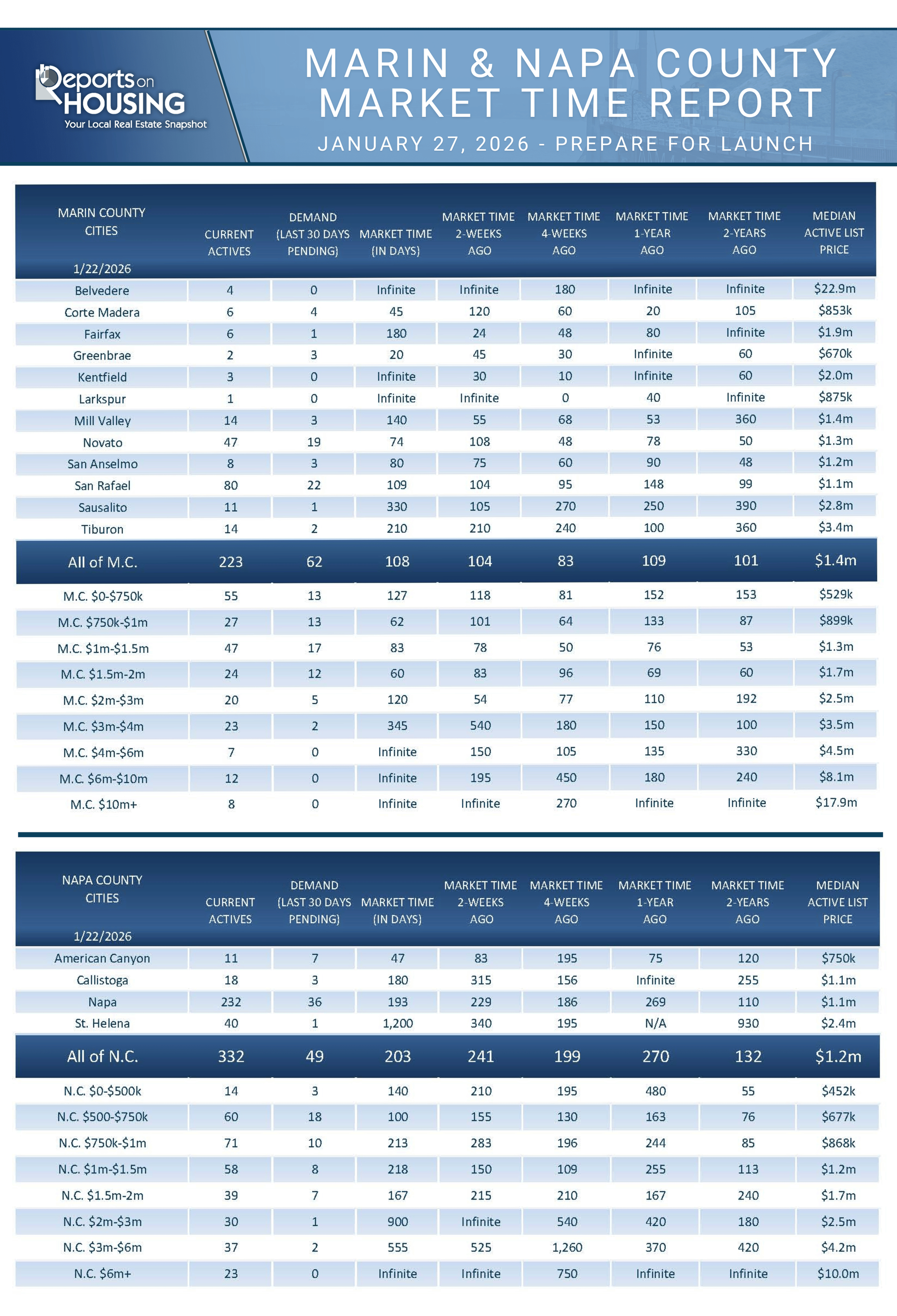
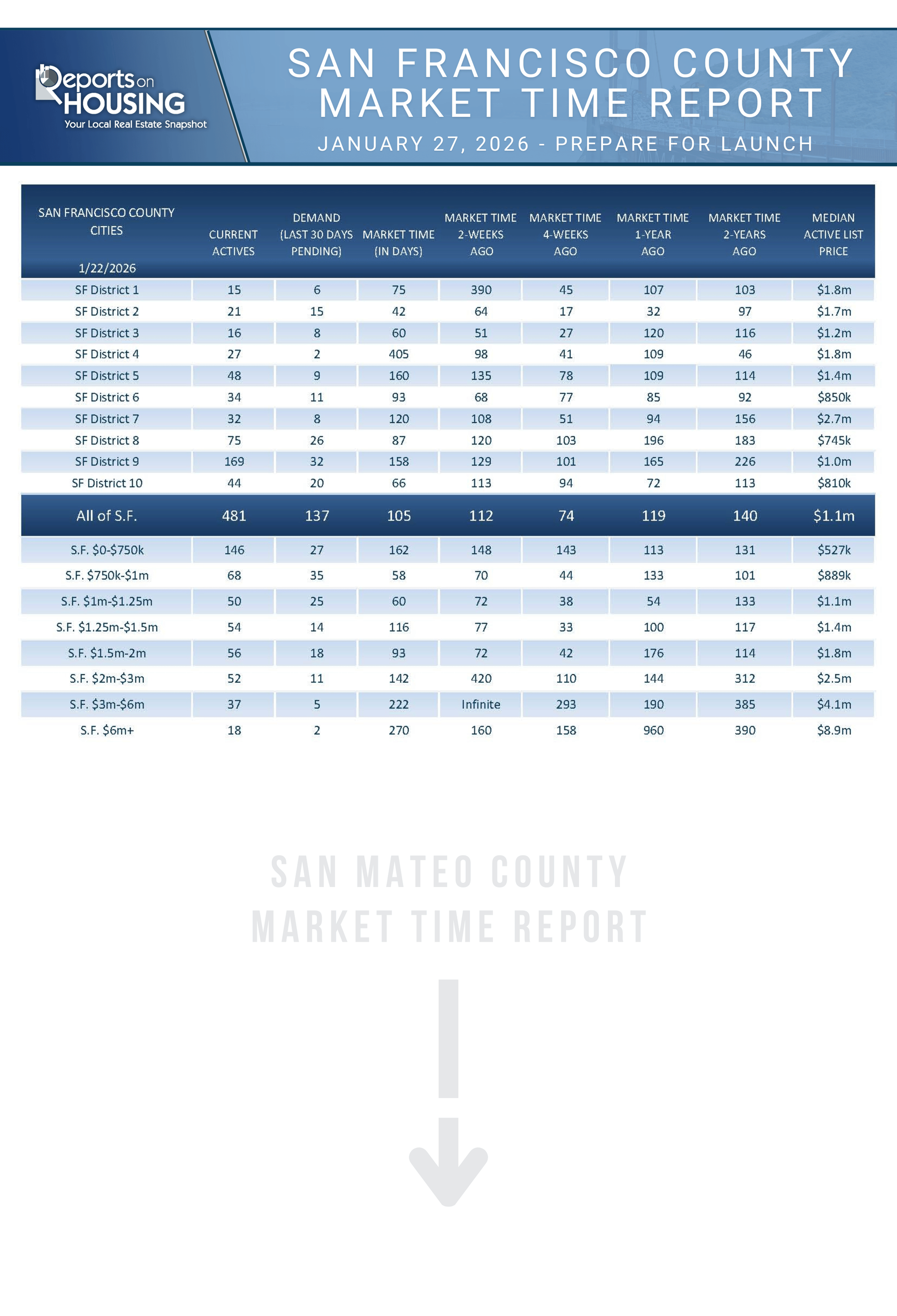
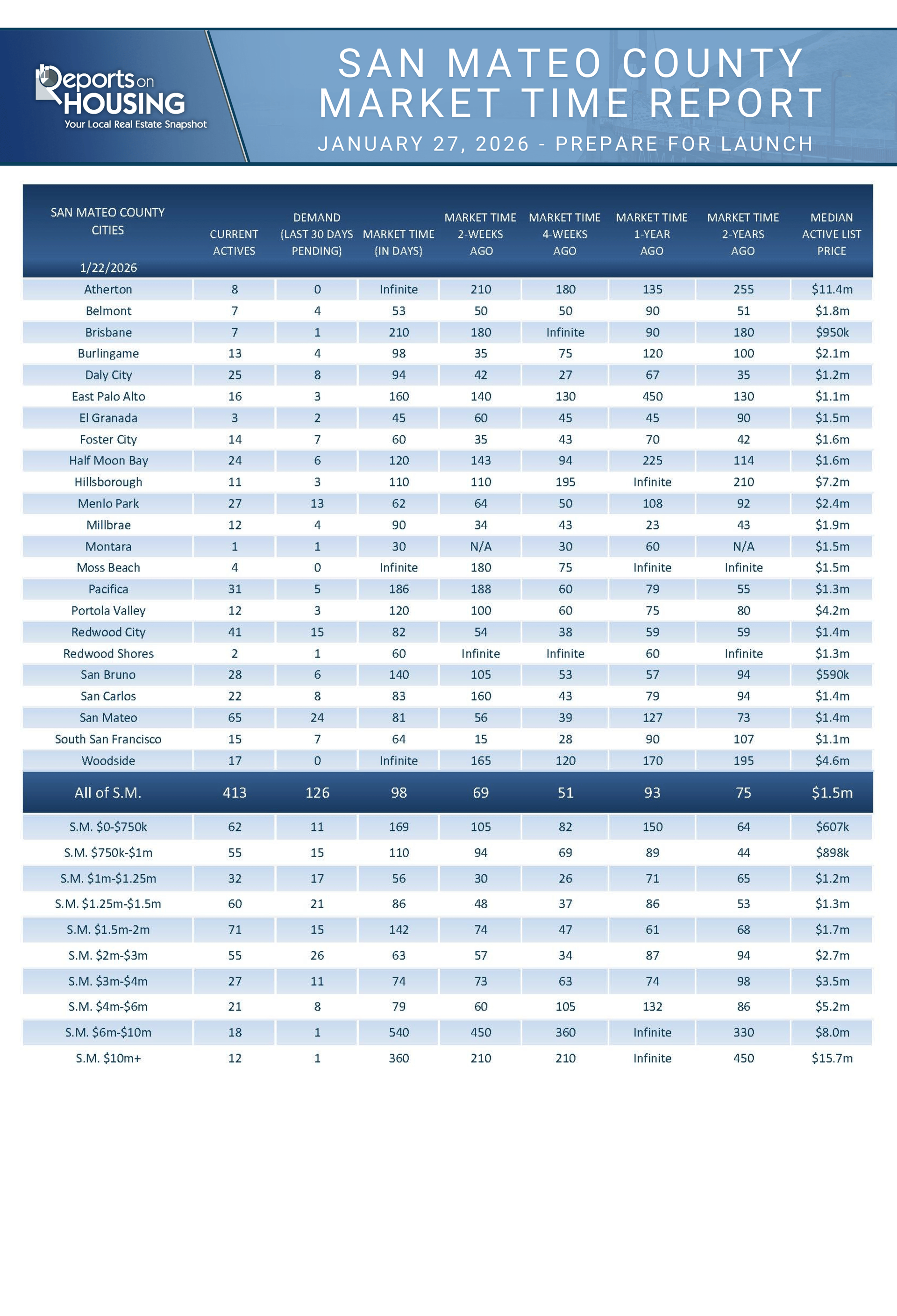
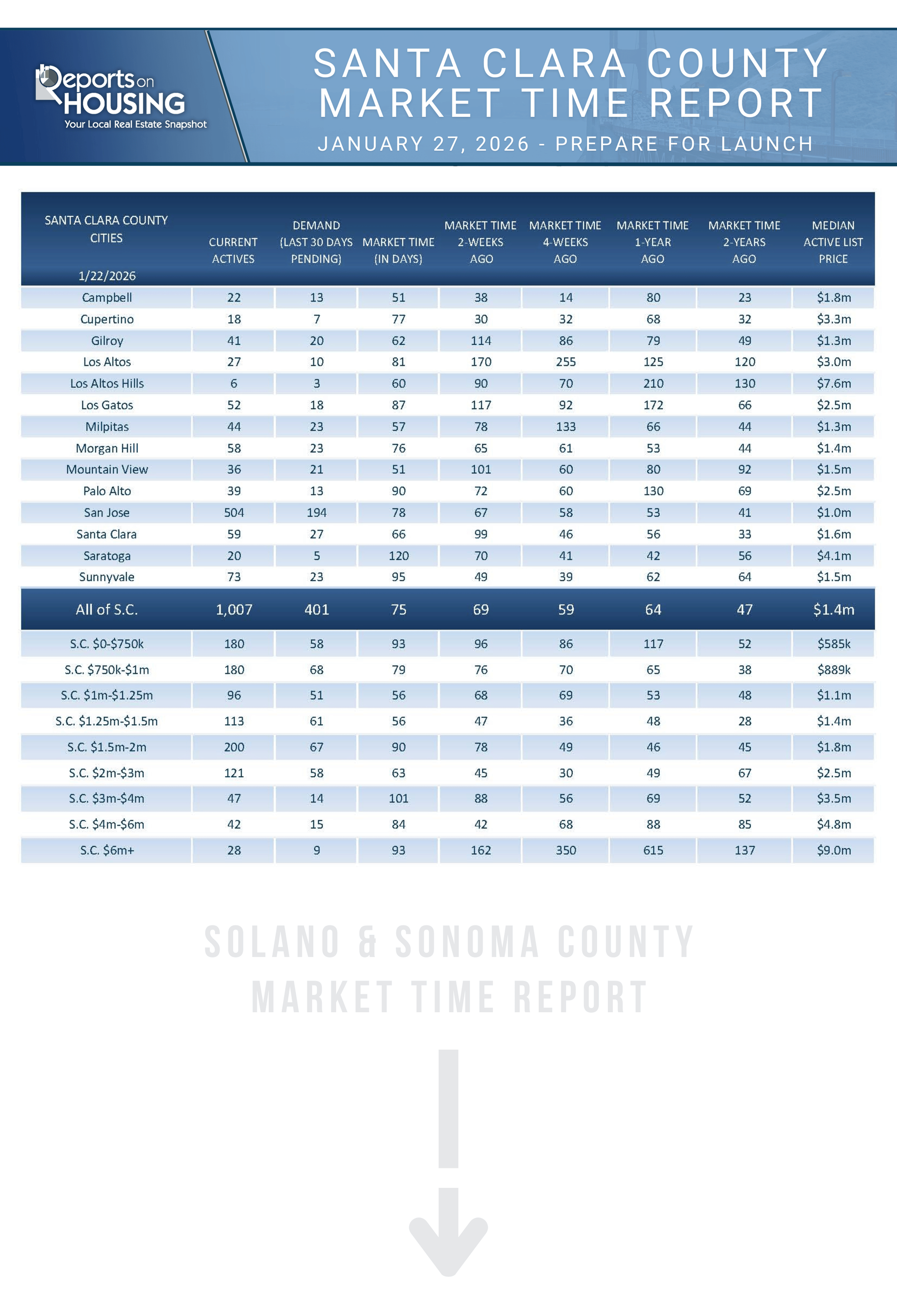
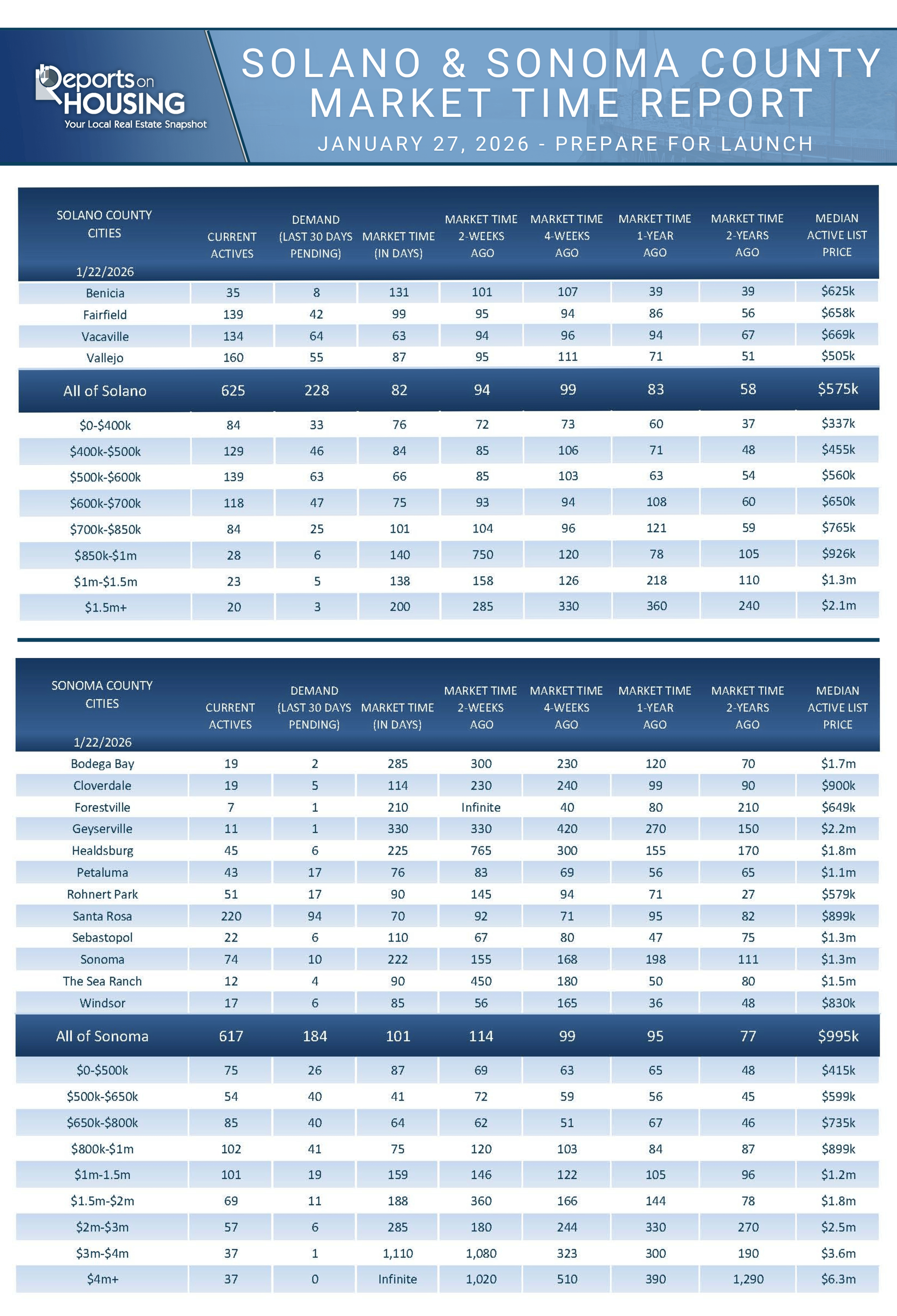
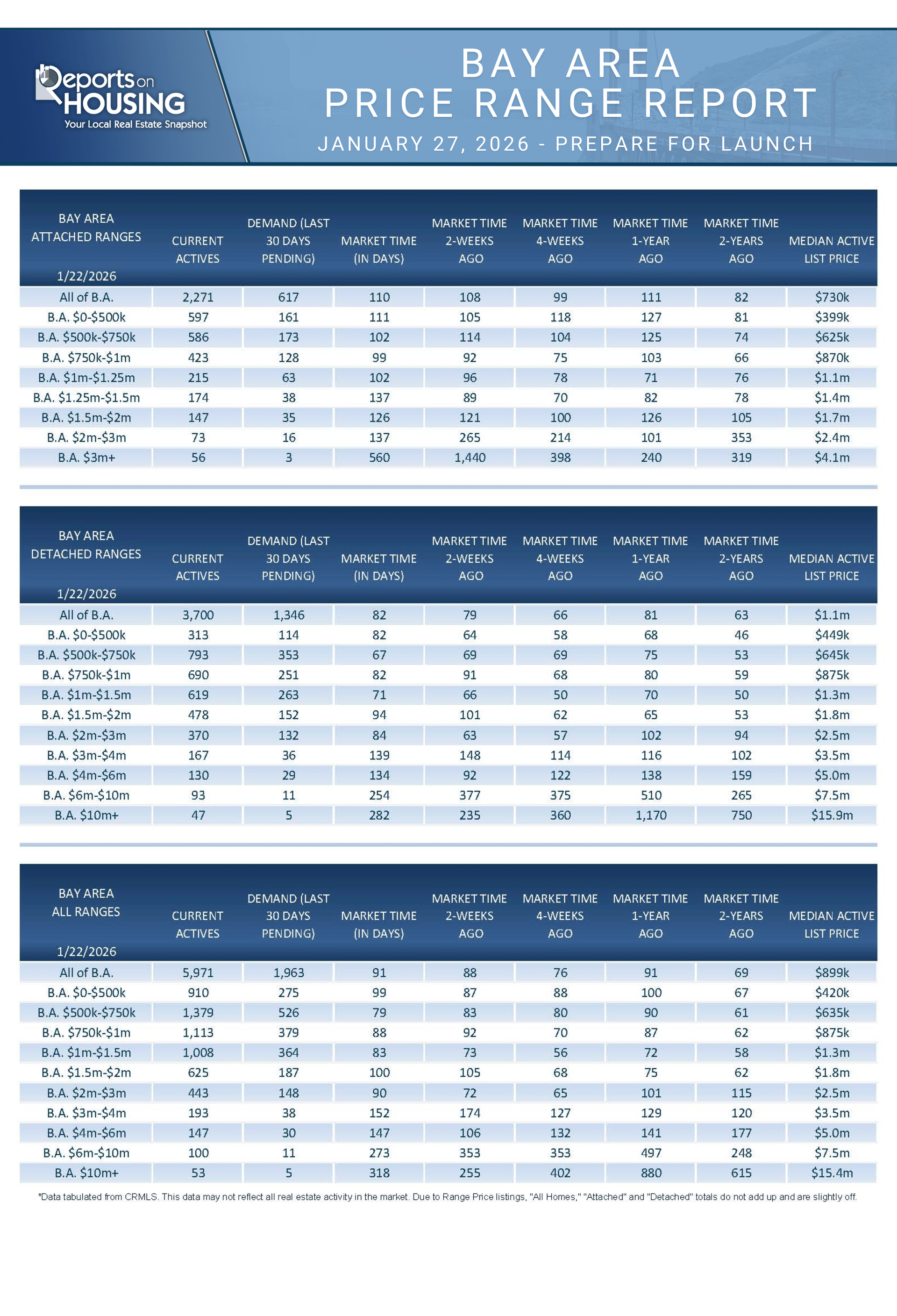
Reports on Housing was created in 2004 to track what buyers, sellers, and real estate professionals are experiencing in real time, focusing on demand, inventory, market conditions, and pricing trends at both the county and city level.
The report is produced by Steven Thomas, a California real estate broker with decades of industry experience and a background in Quantitative Economics and Decision Sciences from the University of California, San Diego. Reports on Housing is widely referenced by major media outlets, including the Wall Street Journal, Bloomberg, the Los Angeles Times, USA Today, and national television networks.
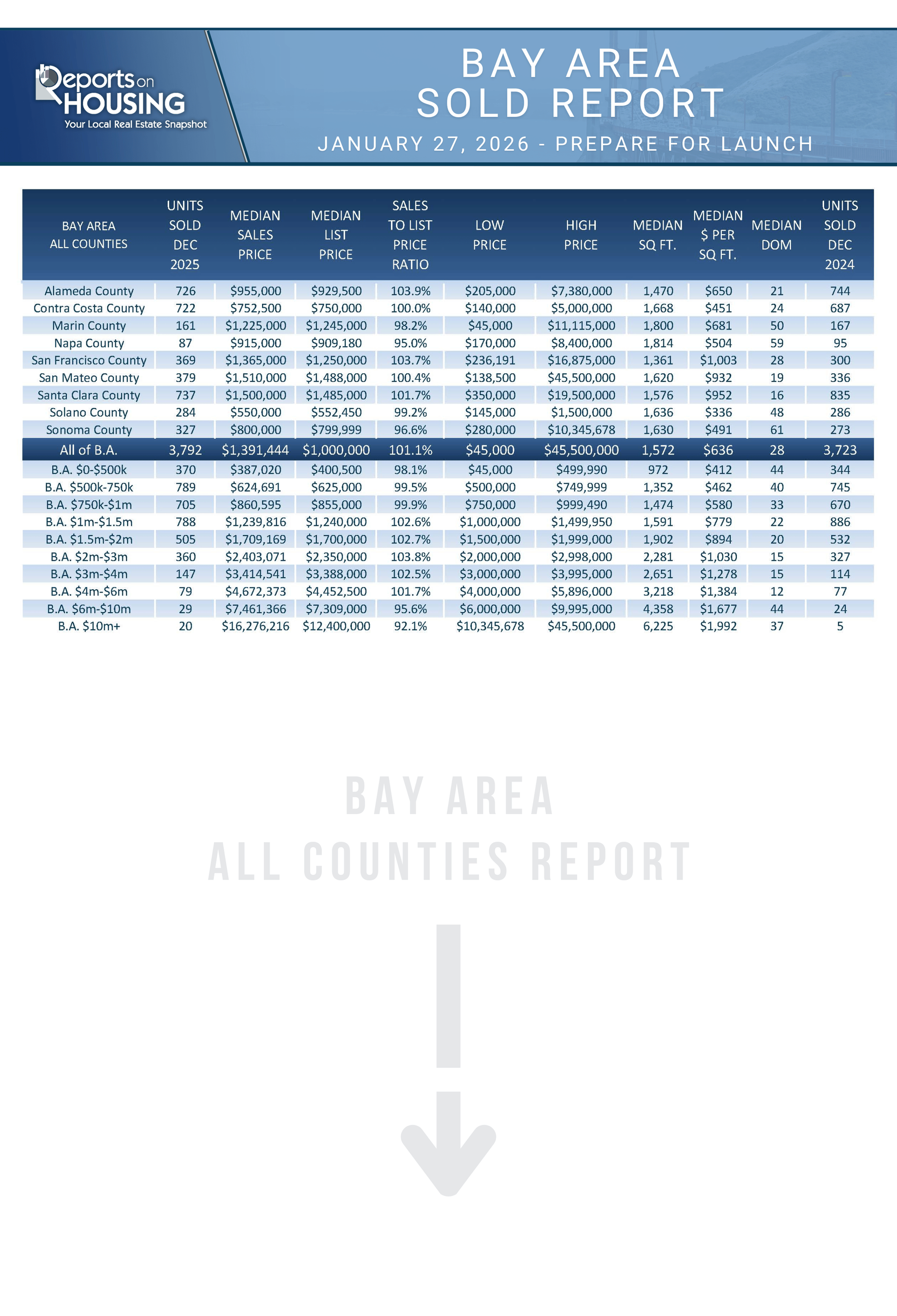
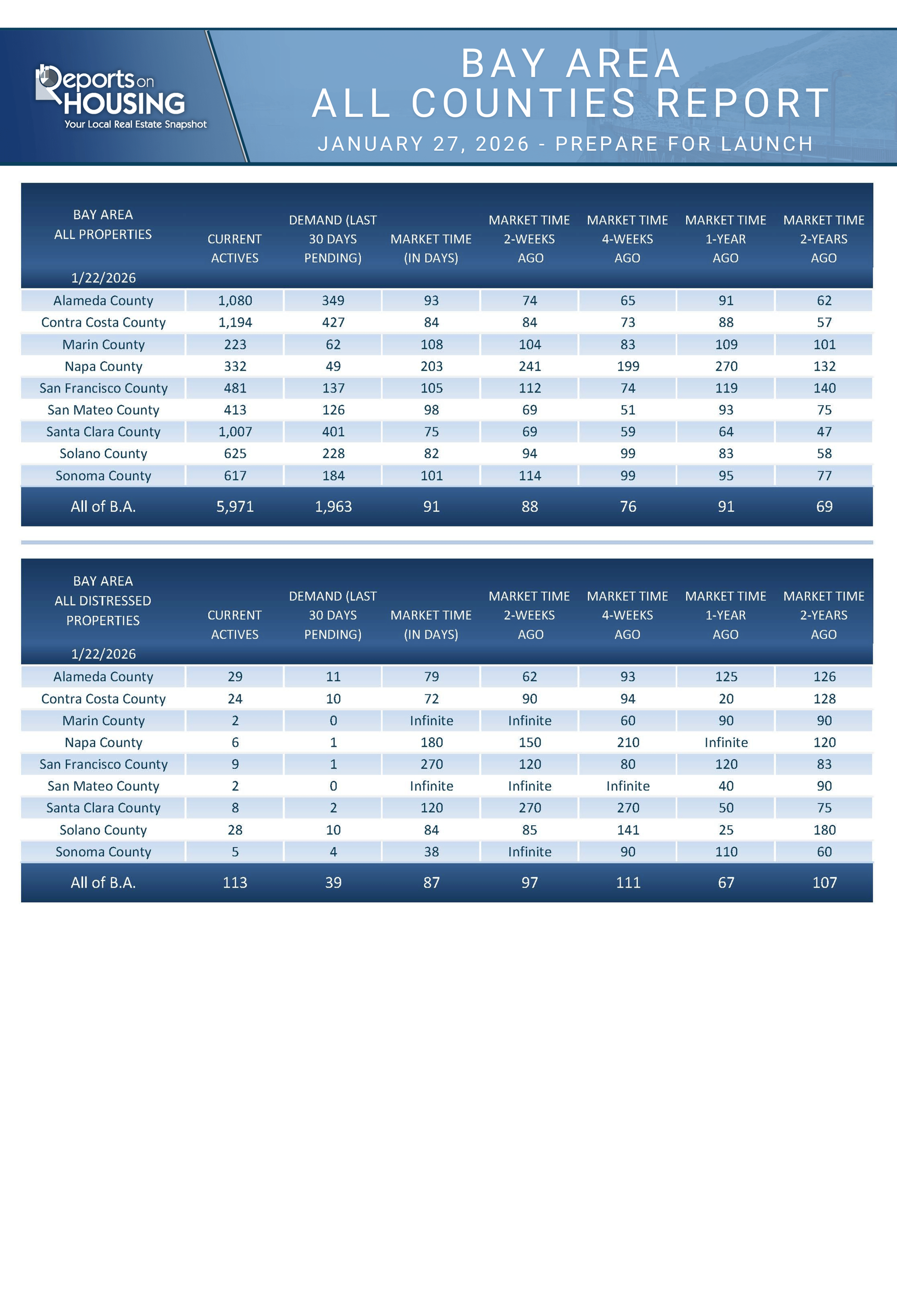
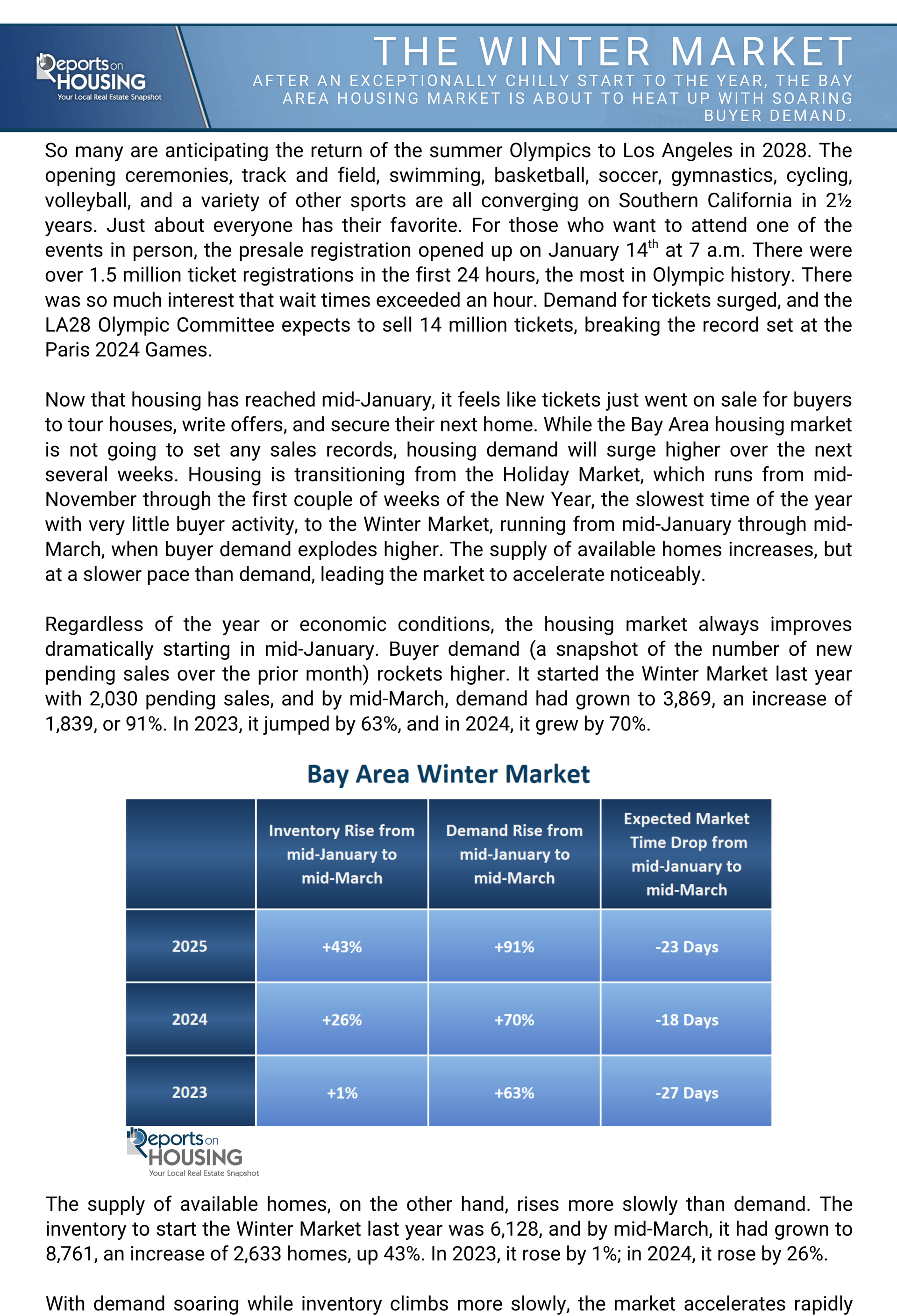
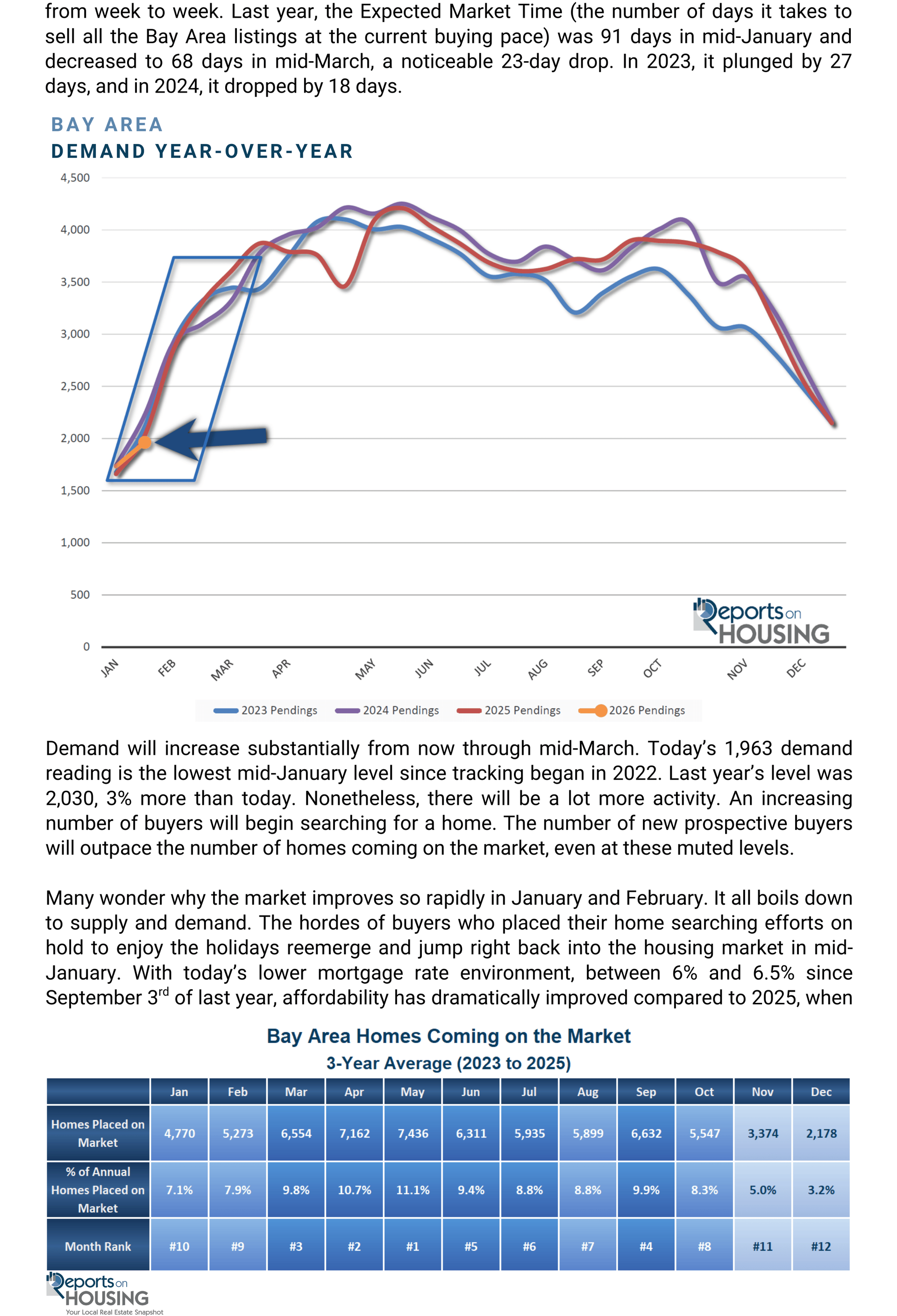
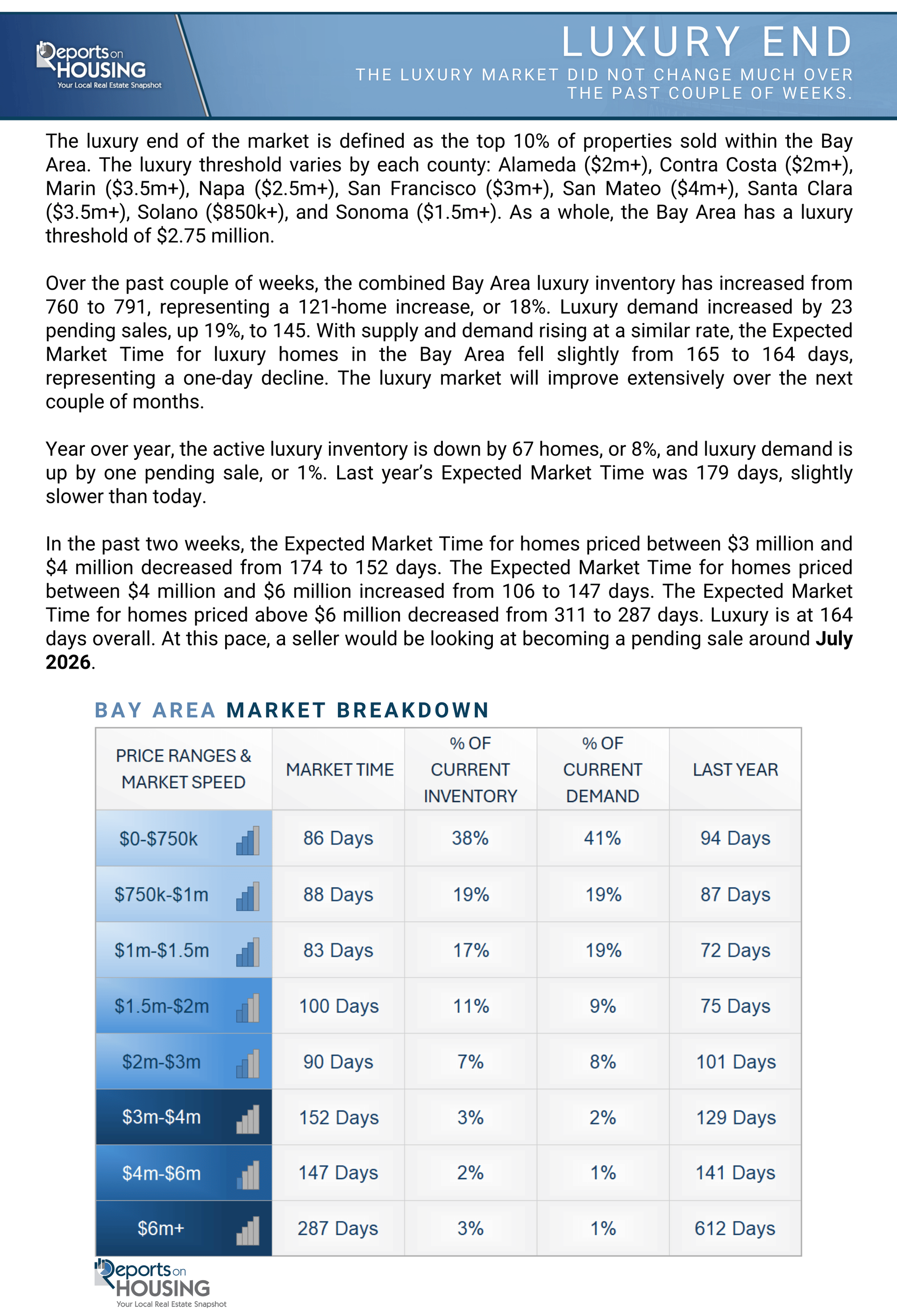
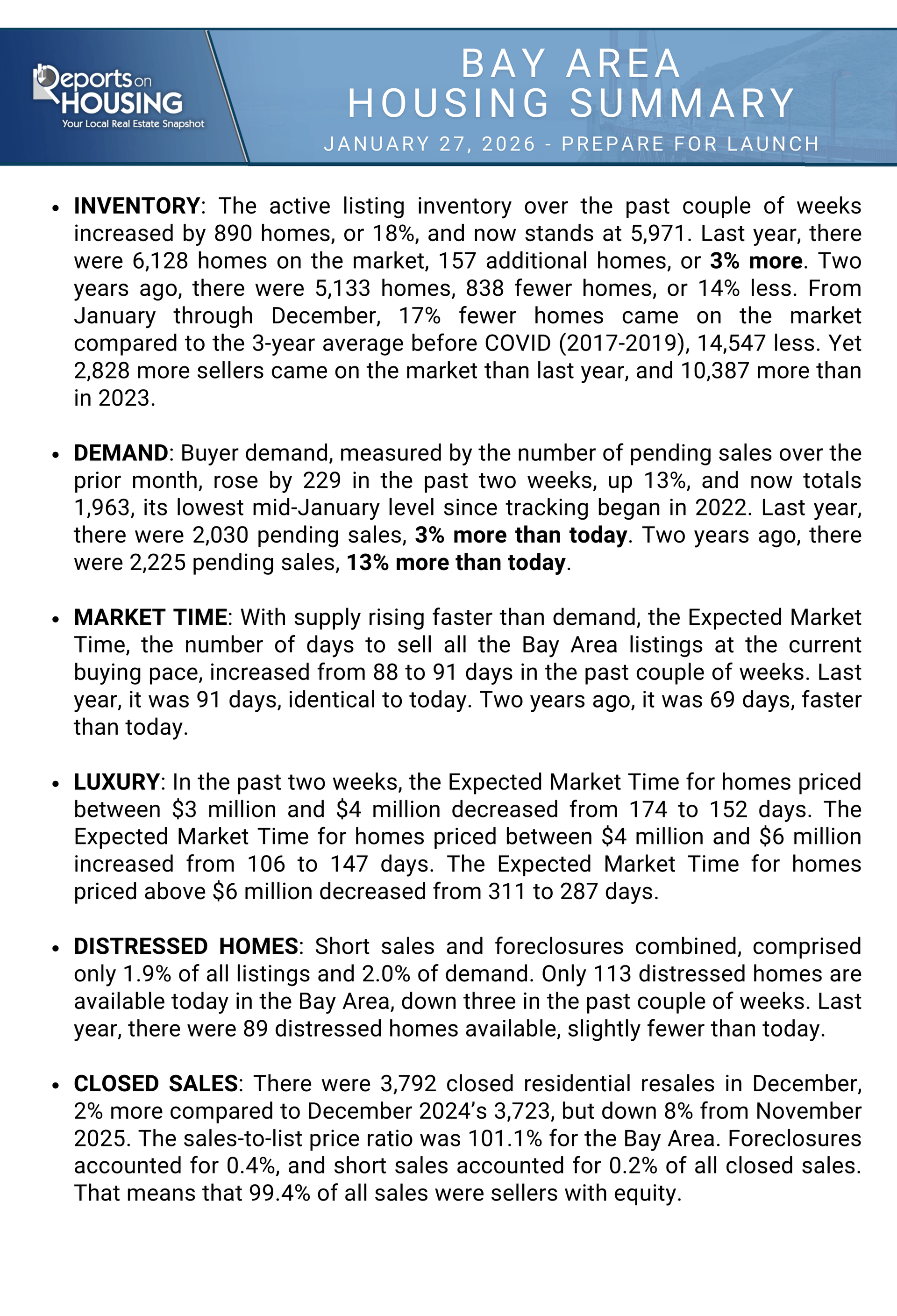
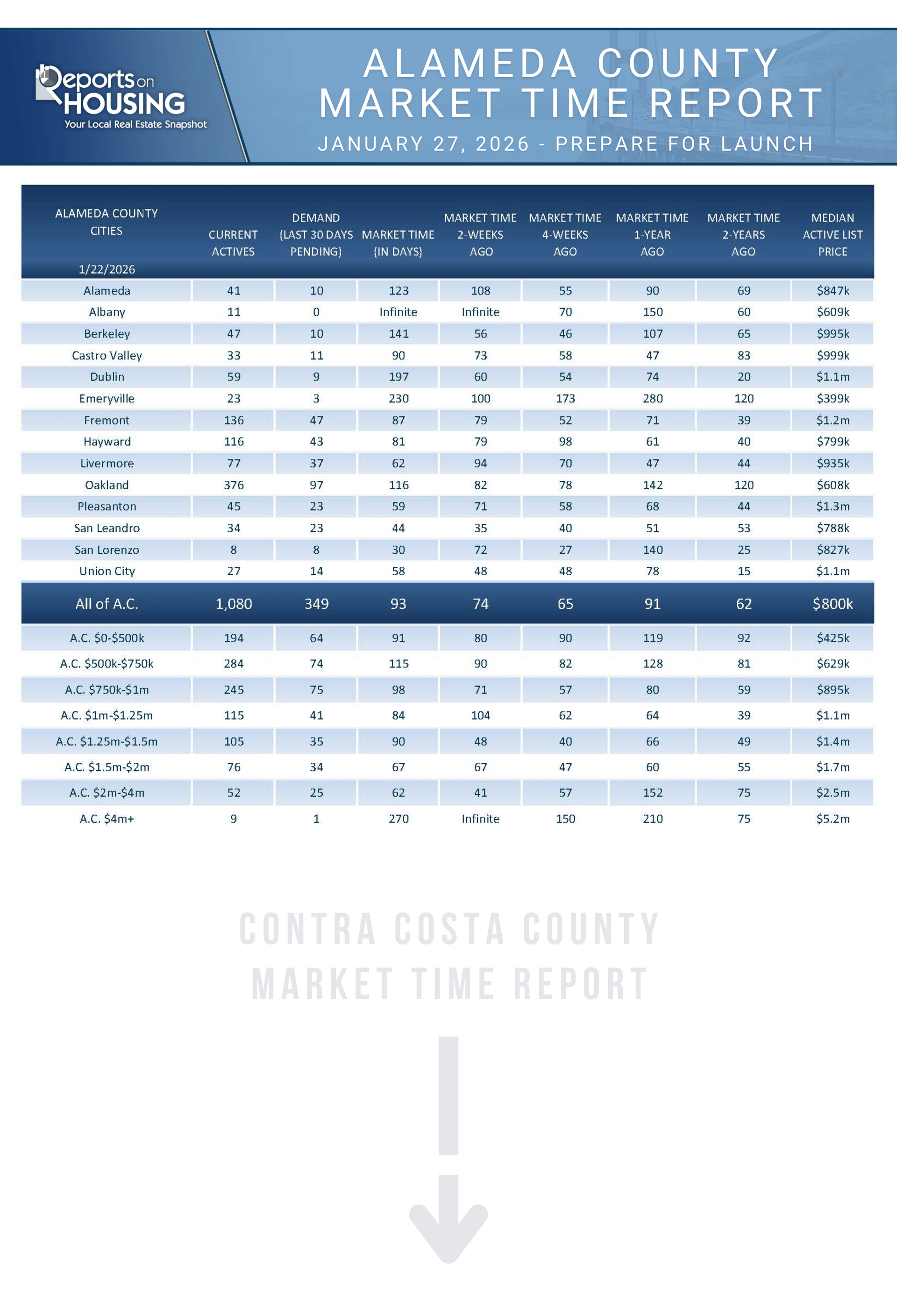
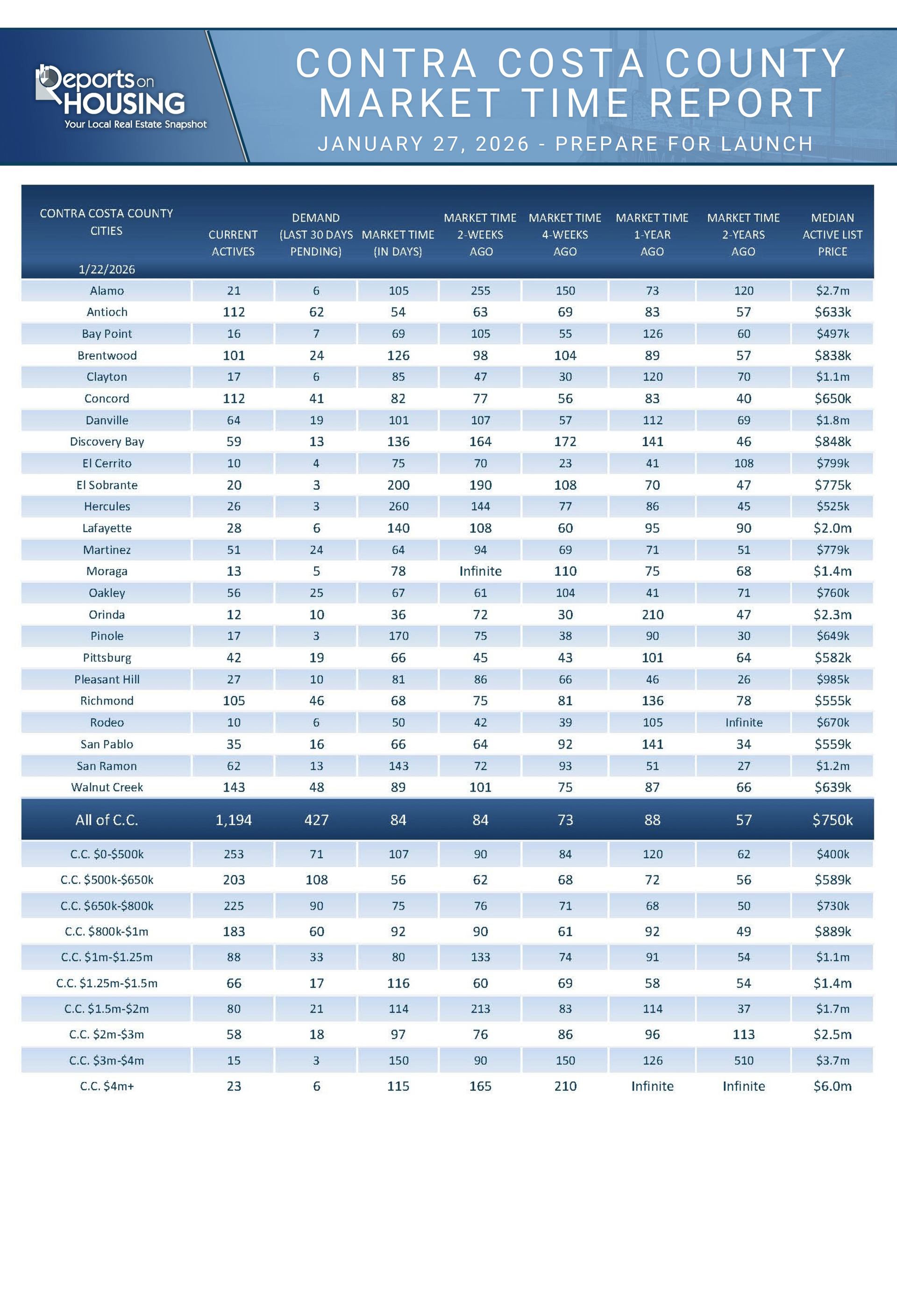
I include the report here as a data-driven complement to my own market commentary for those who want to explore the underlying numbers in more depth.

New Paragraph